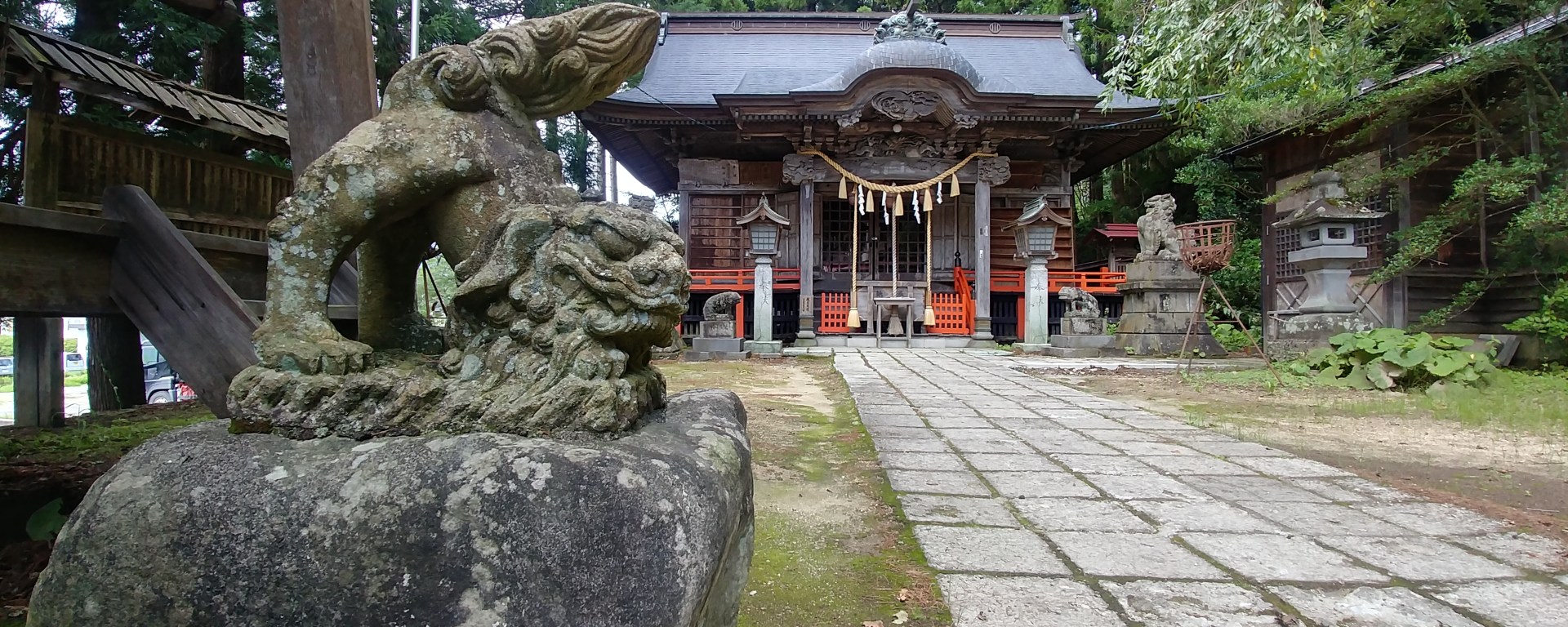
This homey corner of Miyagi is a countryside diversion for people who have pretty much visited every other sightseeing destination within day-trip distance. Oh, and haven’t gotten tired of how relaxing Japan’s hot springs are yet.
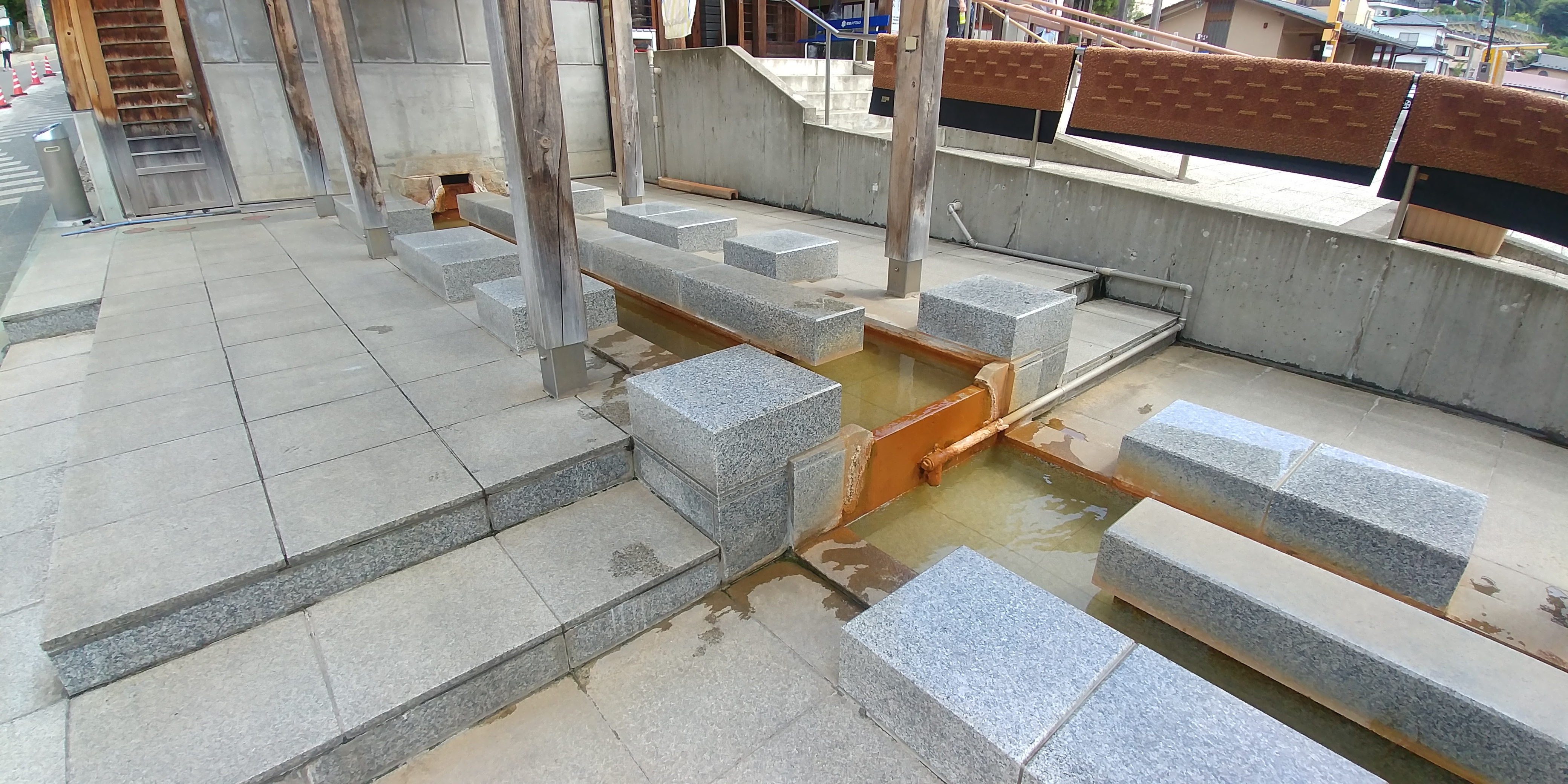
This is still one of those hidden places that no foreign tourists haven’t found. Thankfully, there is an information center right less than a hundred meters from the shrine gate with volunteers that speak English.
Shrine layout and details
There are two gates, a newer one in a golden wood, and an older one in a darker wood. The shrine bell sits on your left after a long driveway into the depths of the shrine.
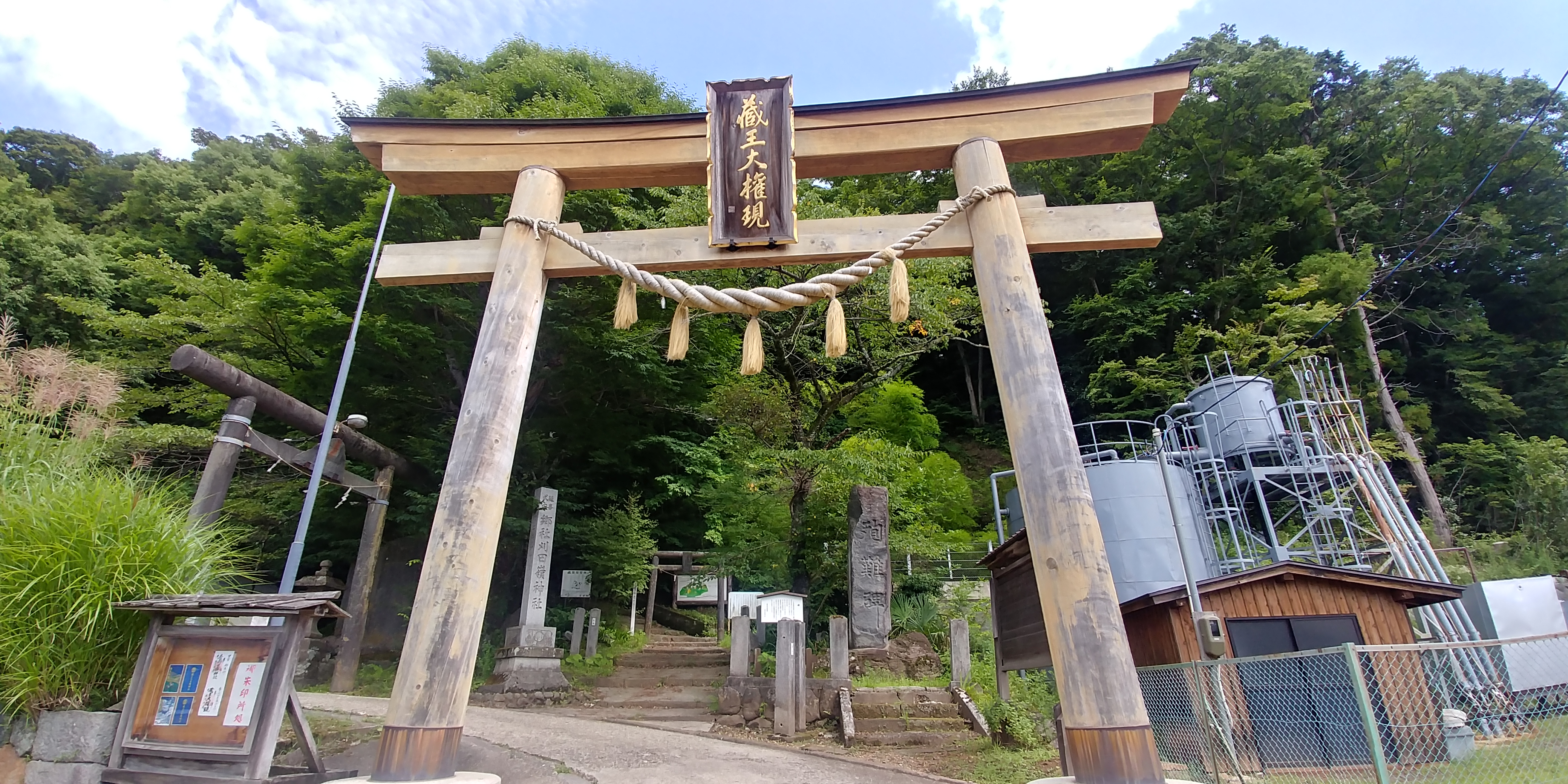
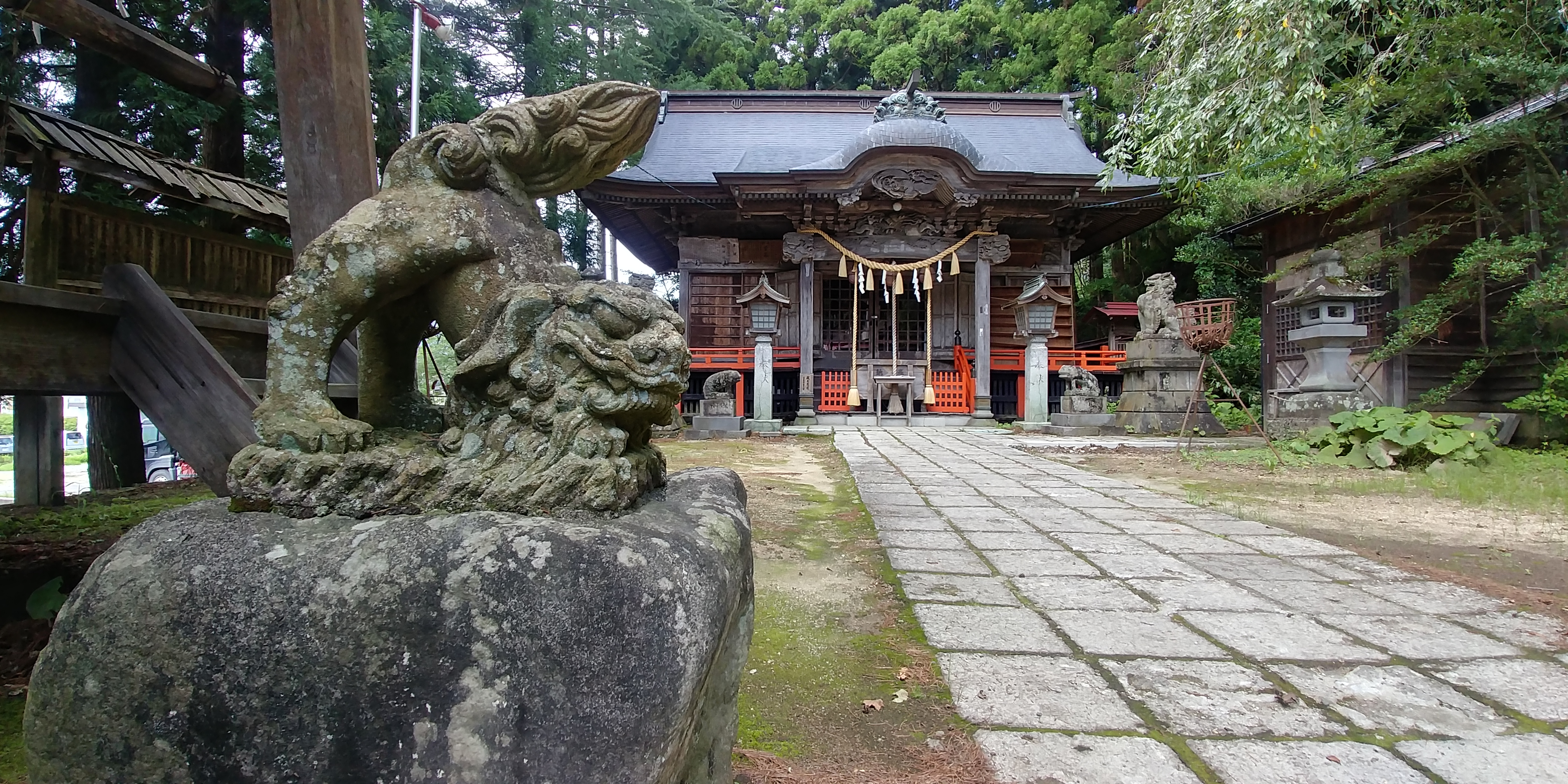
Two komainu, dog guardians, stand in front of the main hall, or honden, which is a simple wooden structure with a red fence around the edges. My favorite part is the roof; a tile in the shape of an oni is biting the edge. It looks a little like a fluffy, angry unicorn.
The counter for the shrine goods is right at the bottom of the stairs. There’s a doorbell installed so you can ring and ask for a priest. This far out in the country, the priest might not even be dressed in his robes of office; the priest here was just in a T-shirt and sweatpants.
Here’s one detail for shrine/temple stamp lovers to enjoy: the month on this stamp is written differently. Usually they would read ku-gatsu (九月) , but here it reads either kariku-zuki or gairai-getsu (雁来月), depending on who you ask.
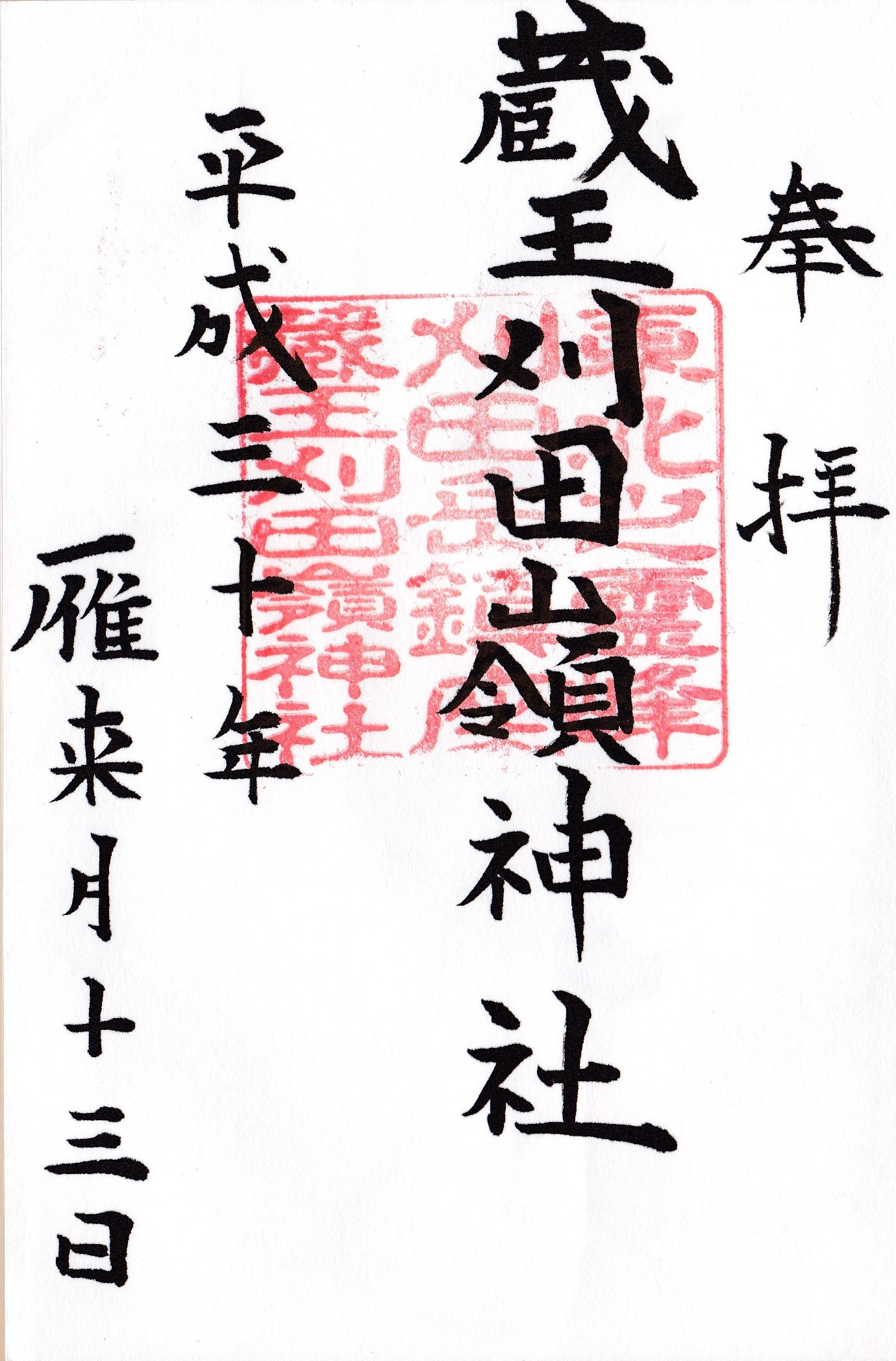
Apparently, this is the old way of saying September in an ancient calendar that is no longer in use. What it really means is something along the lines of “start of autumn”, according to the priest.
It might just be a tiny fact, but all the same, I give my thanks for the tidbit I learned.
I didn’t have much time when I went – I didn’t want to miss the bus, in fear of having to wait an extra hour – but next time I definitely want to try some of the hot springs in the area. Sure, there aren’t as many local attractions accessible on foot, but all the same it should prove to be a relaxing mini-vacation that will probably also prove to be lighter on the wallet.
Background and history
See here for Kattamine Shrine (secondary).
Basic information:
- Name: Kattamine Jinja (Satonomiya) (刈田嶺神社 (里宮))
- Address: 1 Togattaonsen Nakamachi, Zao, Katta District, Miyagi Prefecture 989-0912, Japan (宮城県刈田郡蔵王町遠刈田温泉仲町1)
- Google Maps plus code: 4HFG+RJ Zao, Miyagi Prefecture, Japan
- Access: from JR Sendai Station, take the bus towards Toogatta (遠刈田) from the bus stop 33. Get off at Toogatta Onsen (遠刈田温泉). The shrine is a two-minute walk.
- Founded in: 679 (白鳳6)
- Annual festival: May 5th
- Deities enshrined: Ama-no-mikumari-no-kami (天之水分神), Kuni-no-mikumari-no-kami (国之水分神), Zao Kengen (蔵王権現)
- Benefits: protection from water-related disasters, good weather, conception, safety (水難守護、天候祈願、子授かり、安全祈願)
- Resources:
- Shrine pictures from blogger りん (Japanese only)
- Miyagi Kotsu (宮城交通) bus times to Toogatta Onsen (Japanese only)
- Designated Miyagi Prefectural treasure site (宮城の指定文化財) (Japanese only)
- What does kariku-zuki mean? (Japanese only)
Visited 2018.8.13
 Shrine Walker